

Feeding Therapy
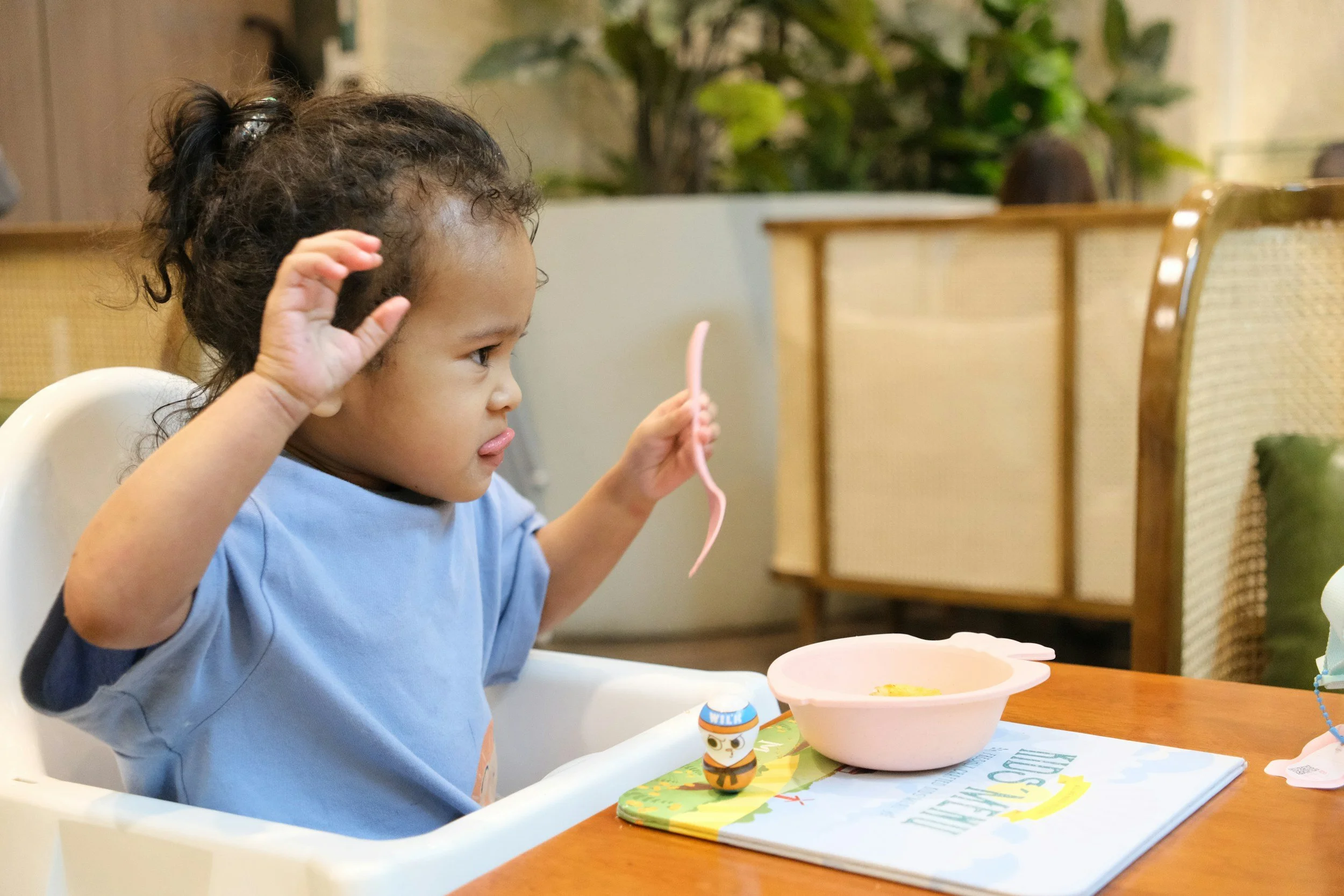
Mealtimes can be some of the hardest moments of a family's day. Our feeding specialists, in collaboration with your child’s ABA therapy team, help children expand what they eat and how they eat, patiently and without pressure, so the table becomes a calmer place for everyone.
When to Consider Feeding Therapy…
Mealtime Stress & Duration
Meals regularly taking longer than 30–40 minutes
Mealtime tantrums, crying, food pushing, or "shutting down" at the table
Infant difficulty coordinating suck/swallow/breathe patterns
Sensory & Picky Eating
Extreme sensitivities to food textures, temperatures, or flavors
Consuming a very restricted variety of foods or refusing new items
Difficulty transitioning from purees to solid foods
Safety & Swallowing Red Flags
Frequent coughing, gagging, choking, or vomiting during meals
Swallowing food whole without chewing
Needing support transitioning from G-tube to
oral eating
Our Specialized Clinicians
Our therapy team works closely with your family to determine the source of your child’s difficulties and develop specific therapies to make the entire process of eating easier and more enjoyable.
Not sure what to expect?
Frequently Asked Questions About Feeding Therapy
-
Mealtimes can be some of the hardest moments of a family's day. Our feeding specialists help children expand what they eat and how they eat, patiently and without pressure, so the table becomes a calmer place for everyone.
-
Feeding therapy is built into a child’s schedule alongside their core ABA therapy. Combining feeding goals with your child's regular ABA team creates a safe, consistent environment for mealtime progress.
-
Because eating involves oral-motor mechanics, sensory processing, and emotional anxiety, our feeding specialists work side-by-side with your child’s ABA team to ensure consistent, stress-free mealtime strategies.
-
Feeding therapy is recommended if mealtimes cause severe distress, if your child eats an extremely restricted variety of textures, gags/chokes on food, swallows food whole, takes longer than 30–40 minutes to eat, or struggles transitioning from purees or G-tubes.
-
Frequent coughing, gagging, choking, or vomiting during or right after meals, congestion while eating, or swallowing food whole are key safety indicators that require clinical evaluation.
-
Yes. Our feeding team provides gentle, step-by-step oral-motor and sensory support to help children transition safely from Gastric Tube (G-tube) feedings to oral eating at their own pace.